

Digital Innovation Reshaping Business Landscapes
Agentic AI and autonomous systems are transforming enterprise operations, enabling software agents to handle complex decision-making tasks with greater operational autonomy. Digital transformation continues to drive innovation across industries, fundamentally changing how businesses organize workflows, deliver services, and compete.

Intelligent automation
Advanced AI systems and autonomous agents are reshaping business processes, with capabilities extending from manufacturing automation to customer service optimization.

Data-driven intelligence
Machine learning algorithms and predictive analytics enable organizations to extract actionable insights from complex datasets, supporting faster and more informed decision-making processes.

Cloud integration systems
Enterprise-wide digital platforms facilitate system interoperability, secure data exchange, and operational efficiency through advanced cloud computing infrastructure.

Cybersecurity framework
Robust security protocols and advanced threat detection systems protect digital assets against evolving cyber threats and help ensure operational continuity.
Thermal printing: a cost-effective solution for labeling and marking
Modern thermal printer technology provides an efficient solution for professional printing applications, combining efficiency, durability and adaptability. Using technologies such as direct thermal printing and thermal transfer, it can reduce dependence on ink or toner, lowering operating costs and environmental impact. Widely used in logistics, retail, healthcare and manufacturing, it produces durable, legible prints that resist rubbing, humidity and temperature variations, which is essential for labeling, receipts or barcodes.

Advanced automation and intelligence systems
Agentic AI represents a significant advancement in autonomous decision-making capabilities, enabling software agents to plan and execute complex enterprise tasks independently. This technology is transforming operational workflows across various sectors, from manufacturing to financial services.
Customer experience enhancement
Digital technologies enable more precise personalization and customer engagement through data-driven insights and automated interaction systems across digital customer journeys.
- Autonomous decision-making systems
- Predictive analytics platforms
- Intelligent process automation

Enterprise digital transformation solutions
Modern enterprises leverage cloud computing, artificial intelligence, and advanced analytics to create agile, data-driven operations supported by scalable digital infrastructure. These technological foundations enable faster process modernization, rapid innovation and market responsiveness.

Cloud infrastructure evolution
Hybrid cloud architectures provide flexible, scalable computing resources while supporting workload portability, security and compliance requirements for enterprise operations.
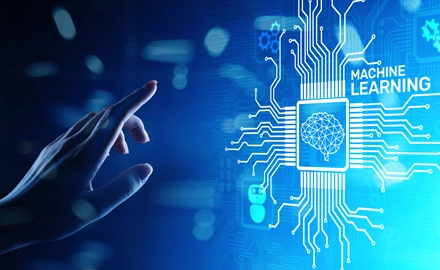
Machine learning integration
Advanced algorithms analyze complex data patterns, enabling predictive maintenance, automated quality control, and intelligent resource allocation across connected industrial processes.

Digital security framework
Next-generation cybersecurity protocols protect digital assets through AI-powered threat detection, automated response systems, and comprehensive data protection measures across enterprise environments.
Industry 4.0 implementation strategies
Manufacturing sectors embrace smart factory solutions, incorporating industrial IoT platforms and digital twin technology to optimize production processes and enhance operational efficiency through connected, data-driven manufacturing.
01
Smart factory solutions
Industrial IoT sensors and automated systems enable real-time monitoring and control of manufacturing processes, optimizing production efficiency and quality control through continuous operational data.
02
Predictive analytics
Machine learning algorithms analyze operational data to predict maintenance needs, prevent equipment failures, and optimize resource allocation across production lines before disruptions affect output.
03
Digital twin technology
Virtual replicas of physical systems enable advanced simulation and testing capabilities, improving design processes and operational efficiency before changes are deployed to physical assets.
E-commerce innovation platforms
Digital commerce platforms integrate AI-powered personalization, advanced analytics, and omnichannel capabilities to deliver consistent shopping experiences and optimize conversion rates across customer touchpoints.
Customer journey analytics
Advanced tracking systems monitor user interactions across digital touchpoints to identify journey friction and optimize engagement and conversion.
Personalization engines
AI algorithms analyze customer behavior to deliver tailored product recommendations and personalized content based on behavioral and transactional signals.
Mobile commerce solutions
Integrated mobile platforms provide seamless shopping experiences across devices and channels, supporting consistent mobile customer journeys.

Payment integration systems
Secure payment gateways support multiple transaction methods while ensuring data protection through secure payment processing.
Inventory management
Real-time tracking systems optimize stock levels and supply chain efficiency by improving inventory visibility.
Analytics dashboard
Comprehensive reporting tools provide actionable insights into business performance metrics for faster commercial decision-making.
Future Technology Trends
Emerging Digital Solutions

Quantum computing applications
Advanced computing systems address computationally intensive complex problems beyond traditional processor capabilities.

Blockchain integration
Distributed ledger technology enables secure, transparent transactions across digital networks with shared and verifiable records.

Extended reality systems
Immersive technologies enhance training, design, and customer experience applications through interactive digital environments.
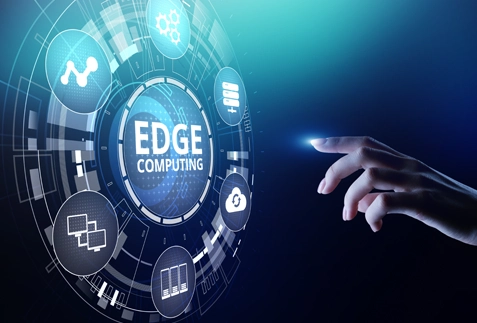
Edge computing solutions
Distributed processing capabilities enable real-time data analysis and reduced latency in critical applications by processing information closer to its source.

Sustainable technology
Energy-efficient systems and green computing solutions support environmental sustainability goals by reducing the resource footprint of digital infrastructure.